
Rosh Hashana
Rosh Hashana, also spelled Rosh Hashanah, is commonly known as the Jewish New Year. The event begins on the first day of Tishrei (or Tishri), which is the seventh month in the Jewish calendar.

Many Jewish people in Canada mark Hoshana Rabbah (or Hoshana Raba) as the last day of Sukkot (Succot, Succoth, Sukkoth) in their calendars. This day is the end of the Sukkot period, also known as the Feast of Tabernacles. The Sukkot festival is observed during the week starting on 15th day of Tishri (or Tishrei), which is the first month of the year in the Jewish calendar.
Hoshana Rabbah is not a public holiday. Businesses have normal opening hours.
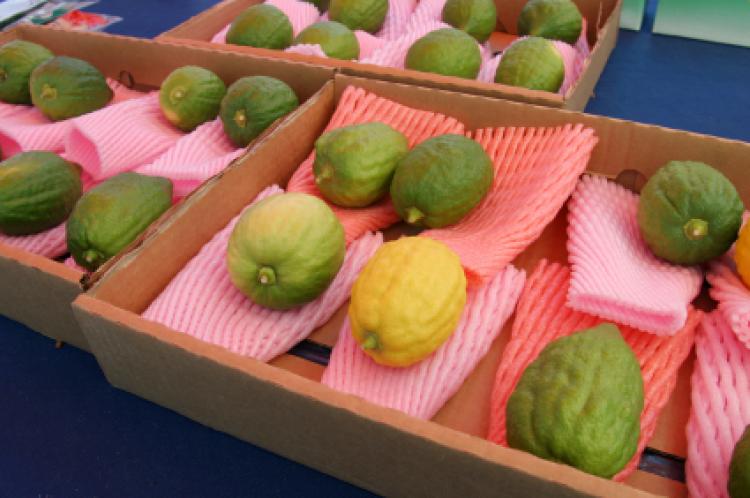
A lemon-like fruit from a citron tree is used during Sukkot.
©iStockphoto.com/Odelia Cohen
Hoshana Rabbah is the last day for many Jewish Canadians to dwell in the sukkah but some traditional followers continue to stay in this temporary structure through to Shmini Atzeret, which starts after Hoshana Rabbah. Many Jewish people in Canada consider Hoshana Rabbah as the final day of the divine judgment when people’s fate for the New Year is determined. The Hoshanot prayers are recited and a special ritual involving the “four species” (plants) is performed.
The last day of Sukkot is not a nationwide public holiday in Canada. However, many Jewish businesses, schools and organizations may be closed or offer a reduced level of service.
The Sukkot period is a time to remember the Jewish people’s wandering in the desert for 40 years following their exodus from Egypt, according to Jewish teachings. It is also a time to celebrate the grape harvest. Some sources claim that Sukkot lasts for about seven days while others state that it is an eight-day festival.
The seventh day of Sukkot is known as Hoshana Rabbah while the eighth day is known as Shmini Atzeret and the day after is called Simchat Torah. Hoshana Rabbah is known as the day of the final sealing of judgment, which began on Rosh Hashanah.
An important Sukkot symbol is the sukkah. This is a temporary structure with a roof made of sechach or s'chach, which is raw, unfinished plant material, such as palm branches, bamboo poles, reeds or even corn stalks.
The “four species” are also important symbols of Sukkot and represent the blessings of nature. These are lulav (a green, closed frond of a date palm tree), hadass (twigs and leaves from a myrtle tree), aravah (twigs and leaves from a willow tree) and etrog (a lemon-like fruit of the citron tree).
In the Jewish diaspora—Jewish communities outside of Israel—an extra day is usually added to religious observances, with the exception of Yom Kippur, which lasts only one day worldwide, and Rosh Hashana, which is celebrated over two days in both Israel and the diaspora.
This custom has its roots in ancient times when the beginning of the months in the Jewish calendar still relied on the sighting of the crescent Moon following a New Moon.
The beginning of a new month was determined by the Sanhedrin, the supreme court of ancient Israel in Jerusalem. Once the date was published, messengers were dispatched to spread the news among Jews living abroad. Since this process took some time, it was decreed that Jews outside of ancient Israel were to observe every holiday for 2 days to make sure that the rules and customs applicable to each holiday were observed on the proper date. This rule is still observed today.
Note: Jewish holidays begin at sundown the day before the date specified for the holiday.
| Year | Weekday | Date | Name | Holiday Type |
|---|---|---|---|---|
| 2019 | Sun | Oct 20 | Hoshana Rabbah | Jewish holiday |
| 2020 | Fri | Oct 9 | Hoshana Rabbah | Jewish holiday |
| 2021 | Mon | Sep 27 | Hoshana Rabbah | Jewish holiday |
| 2022 | Sun | Oct 16 | Hoshana Rabbah | Jewish holiday |
| 2023 | Fri | Oct 6 | Hoshana Rabbah | Jewish holiday |
| 2024 | Wed | Oct 23 | Hoshana Rabbah | Jewish holiday |
| 2025 | Mon | Oct 13 | Hoshana Rabbah | Jewish holiday |
| 2026 | Fri | Oct 2 | Hoshana Rabbah | Jewish holiday |
| 2027 | Fri | Oct 22 | Hoshana Rabbah | Jewish holiday |
| 2028 | Wed | Oct 11 | Hoshana Rabbah | Jewish holiday |
| 2029 | Sun | Sep 30 | Hoshana Rabbah | Jewish holiday |
While we diligently research and update our holiday dates, some of the information in the table above may be preliminary. If you find an error, please let us know.
Rosh Hashana, also spelled Rosh Hashanah, is commonly known as the Jewish New Year. The event begins on the first day of Tishrei (or Tishri), which is the seventh month in the Jewish calendar.
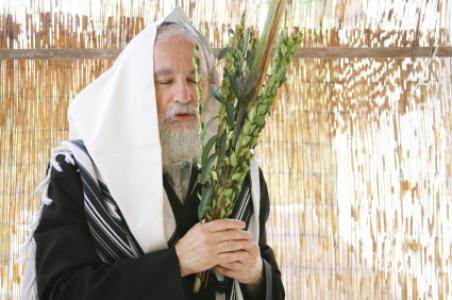
The first day of Sukkot marks the start of the Sukkot festival for Jewish communities in many countries, including Canada.

Shemini Atzeret (or Shmini Atzeret) is a Jewish holiday dedicated to the love of God, while Simchat Torah (Simchas Torah or Simhat Torah) marks the end of Sukkot and celebrates the completion of the annual reading of the Torah.
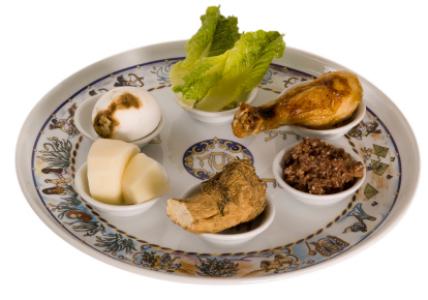
The last day of Passover marks the end of the Passover period, which lasts for seven or eight days.