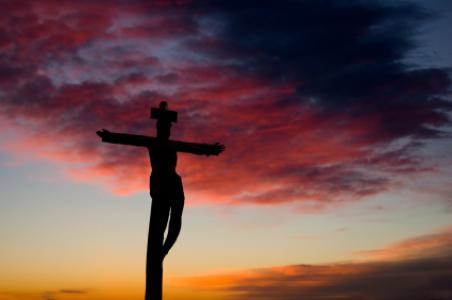
Orthodox Good Friday
Many Orthodox Christians in the United Kingdom remember the events leading up to Jesus Christ's crucifixion on Great Friday, also known as Holy Friday.

Easter Monday is the day after Easter Sunday, which celebrates Jesus’ resurrection, according to Christian belief. Many Orthodox Christian churches in the United Kingdom often observe Easter Monday at a later date than the Easter Monday date observed by many western churches. The day is also known as Bright Monday among many Orthodox Christians.
Although Orthodox Easter Monday is not a public holiday, businesses and schools may be closed because it falls on the same date as Early May Bank Holiday in 2024.
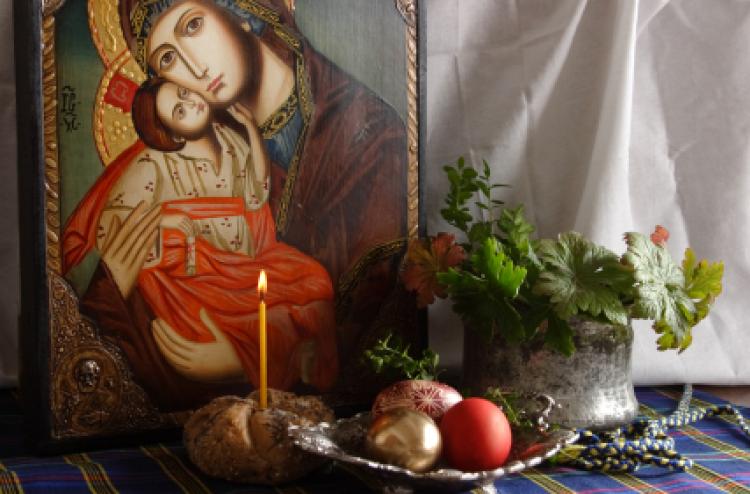
Beautifully decorated eggs, often dyed in red to symbolize Jesus Christ's blood, are seen during the Orthodox Easter period.
©iStockphoto.com/ vaskoni
Bright Monday is a day of reflection for many Orthodox Christians in the United Kingdom. Many people reflect on the events that occurred during Holy Week prior to Easter Sunday. Easter Monday is a day to finish leftover Easter meals that were not eaten the day before. Some Orthodox Christian churches have special Bright Monday liturgies in the United Kingdom.
Orthodox Easter Monday is not a bank holiday in the United Kingdom.
Many Orthodox churches base their Easter date on the Julian calendar, which differs from the Gregorian calendar that is used by many western countries. Therefore the Orthodox Easter period often (but not always) occurs at a different date compared with the Easter date observed by many western churches, which falls after the time of the March equinox.
There are different types of Orthodox churches in the United Kingdom, including the Greek Orthodox Church, the Romanian Orthodox Church, and the Russian Orthodox Church. Congregation numbers have grown in these churches due to immigration. Many Orthodox Christians in the United Kingdom are immigrants or descendents of immigrants from countries such as Greece, Romania and Russia.
It is believed that Greek immigrants started arriving in London during the late 17th century. The United Kingdom experienced a surge of immigrants, especially from Greece and Russia, during the 20th century. They brought with them their customs, traditions, and religious observances.
Easter eggs are often dyed red to symbolize the Jesus Christ’s blood. It was an important symbol connected with spring fertility rituals in many early civilizations. Another important symbol associated with Easter is the lamb. It is often depicted with a banner that bears a cross, and it is known as the Agnus Dei, meaning "Lamb of God" in Latin.
| Year | Weekday | Date | Name | Holiday Type |
|---|---|---|---|---|
| 2019 | Mon | Apr 29 | Orthodox Easter Monday | Observance, Orthodox |
| 2020 | Mon | Apr 20 | Orthodox Easter Monday | Observance, Orthodox |
| 2021 | Mon | May 3 | Orthodox Easter Monday | Observance, Orthodox |
| 2022 | Mon | Apr 25 | Orthodox Easter Monday | Observance, Orthodox |
| 2023 | Mon | Apr 17 | Orthodox Easter Monday | Observance, Orthodox |
| 2024 | Mon | May 6 | Orthodox Easter Monday | Observance, Orthodox |
| 2025 | Mon | Apr 21 | Orthodox Easter Monday | Observance, Orthodox |
| 2026 | Mon | Apr 13 | Orthodox Easter Monday | Observance, Orthodox |
| 2027 | Mon | May 3 | Orthodox Easter Monday | Observance, Orthodox |
| 2028 | Mon | Apr 17 | Orthodox Easter Monday | Observance, Orthodox |
| 2029 | Mon | Apr 9 | Orthodox Easter Monday | Observance, Orthodox |
While we diligently research and update our holiday dates, some of the information in the table above may be preliminary. If you find an error, please let us know.
Many Orthodox Christians in the United Kingdom remember the events leading up to Jesus Christ's crucifixion on Great Friday, also known as Holy Friday.
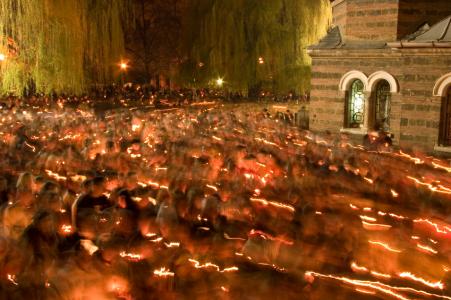
Many Orthodox Christians in the United Kingdom remember Jesus Christ’s burial and his descent into Hades on Holy Saturday.

Many Orthodox Christians in the United Kingdom commemorate Jesus Christ’s resurrection on Easter Day, also known as Pascha.
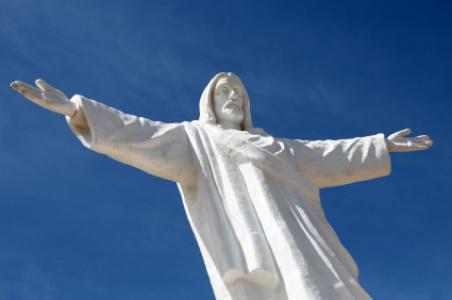
Ascension Day is the 40th day of Easter and commemorates Jesus Christ’s ascension into heaven, according to Christian belief.