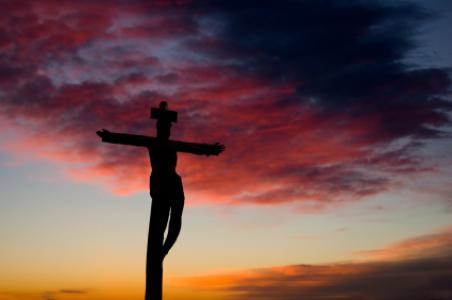
Orthodox Good Friday
Many Orthodox Christians in the United Kingdom remember the events leading up to Jesus Christ's crucifixion on Great Friday, also known as Holy Friday.

Holy Saturday is the day when Jesus lay in his tomb after his death, according to Christian belief. Many Orthodox Christian churches in the United Kingdom often observe Holy Saturday at a later date than the Holy Saturday date observed by many western churches. Holy Saturday is also known as Holy and Great Saturday.
Even though Orthodox Holy Saturday falls on Saturday, May 4, 2024, it is a working day. Most businesses follow regular opening hours in United Kingdom.
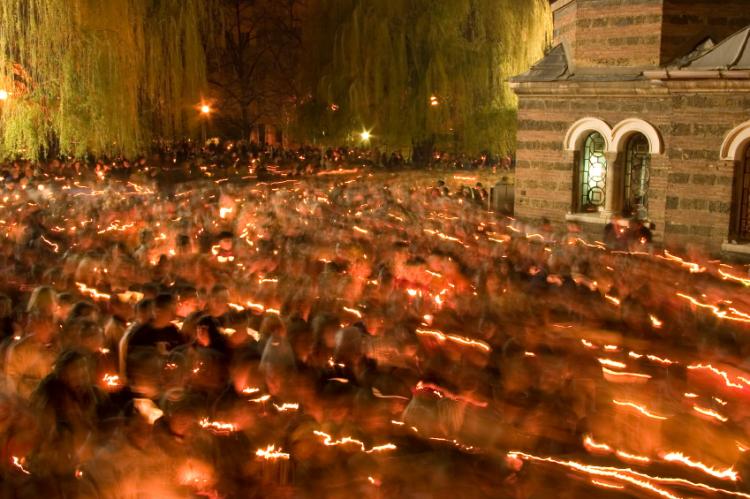
Orthodox Christians walking around a church on Easter Eve.
©iStockphoto.com/VichoT
Many Orthodox churches in the United Kingdom mark Holy Saturday as the day of watchful expectation. The mourning period wanes and people wait for Easter Sunday, which is the day when Jesus was resurrected. Many Greek Orthodox Christians also believe in the Holy Fire, which they say is a miracle that occurs at the Church of the Holy Sepulchre in Jerusalem on Holy Saturday every year. Some people in the United Kingdom attempt to journey to Jerusalem as part of the pilgrimage to experience this phenomenon.
Many Orthodox Christian churches hold special liturgies in the night on Holy Saturday, while others have their liturgies in the morning of Holy Saturday. The priest’s vestments, which are ceremonial gowns worn by clergy, are changed to white at the Prokeimenon (psalm or canticle refrain sung, usually to introduce scripture reading) of the Holy Saturday liturgy in many Orthodox Christian churches. Holy Saturday is part of Holy Week, which is a special fast in honor of Jesus Christ’s Passion. The fast occurs from Palm Sunday to Holy Saturday.
The Christian Orthodox date for Holy Saturday is not a bank holiday in the United Kingdom.
Many Orthodox churches retained the Julian calendar after the Gregorian calendar was introduced in Europe in 1582. Therefore they often follow a different Easter date compared with many western churches. Easter holidays, such as Easter Saturday, are “moveable feasts” as these dates change according to calendar calculations.
There are different types of Orthodox churches in the United Kingdom, including the Greek Orthodox Church, the Romanian Orthodox Church, and the Russian Orthodox Church. Congregation numbers have grown in these churches due to immigration. Many Orthodox Christians in the United Kingdom are immigrants or descendents of immigrants from countries such as Greece, Romania and Russia.
It is believed that Greek immigrants started arriving in London during the late 17th century. The United Kingdom experienced a surge of immigrants, especially from Greece and Russia, during the 20th century. They brought with them their customs, traditions, and religious observances.
Candles that are lit during Holy Saturday church liturgies symbolize Jesus Christ’s victory over death, as well as the Christian belief in his resurrection. It can also mean spiritual hope and victory.
| Year | Weekday | Date | Name | Holiday Type |
|---|---|---|---|---|
| 2019 | Sat | Apr 27 | Orthodox Holy Saturday | Observance, Orthodox |
| 2020 | Sat | Apr 18 | Orthodox Holy Saturday | Observance, Orthodox |
| 2021 | Sat | May 1 | Orthodox Holy Saturday | Observance, Orthodox |
| 2022 | Sat | Apr 23 | Orthodox Holy Saturday | Observance, Orthodox |
| 2023 | Sat | Apr 15 | Orthodox Holy Saturday | Observance, Orthodox |
| 2024 | Sat | May 4 | Orthodox Holy Saturday | Observance, Orthodox |
| 2025 | Sat | Apr 19 | Orthodox Holy Saturday | Observance, Orthodox |
| 2026 | Sat | Apr 11 | Orthodox Holy Saturday | Observance, Orthodox |
| 2027 | Sat | May 1 | Orthodox Holy Saturday | Observance, Orthodox |
| 2028 | Sat | Apr 15 | Orthodox Holy Saturday | Observance, Orthodox |
| 2029 | Sat | Apr 7 | Orthodox Holy Saturday | Observance, Orthodox |
While we diligently research and update our holiday dates, some of the information in the table above may be preliminary. If you find an error, please let us know.
Many Orthodox Christians in the United Kingdom remember the events leading up to Jesus Christ's crucifixion on Great Friday, also known as Holy Friday.

Many Orthodox Christians in the United Kingdom commemorate Jesus Christ’s resurrection on Easter Day, also known as Pascha.
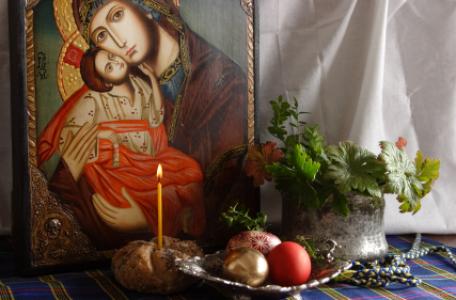
Many Orthodox churches in the United Kingdom observe Easter Monday on the day after the Orthodox Easter Sunday date.
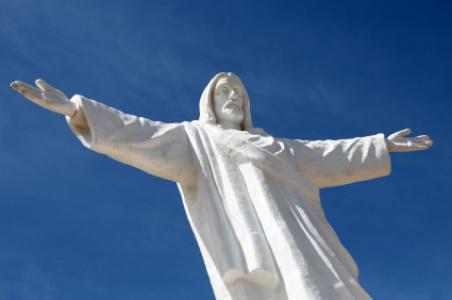
Ascension Day is the 40th day of Easter and commemorates Jesus Christ’s ascension into heaven, according to Christian belief.